Built to Outlast Its People: The Data Habits of University Labs That Never Lose Anything
Photo: Chongkian, CC BY-SA 4.0, via Wikimedia Commons
Every long-serving department chair knows the pattern. A professor retires, and along with the farewell cake goes the only key to a file structure nobody else understands. Twenty years of field trials, patient records, or assay results become effectively inaccessible — not deleted, just orphaned.
Yet some labs break the pattern. At land-grant universities across the country, research groups have maintained continuous, well-documented datasets spanning multiple generations of graduate students. Their practices are neither expensive nor exotic. They are habits, applied consistently.
Habit One: Name Files as if a Stranger Will Read Them
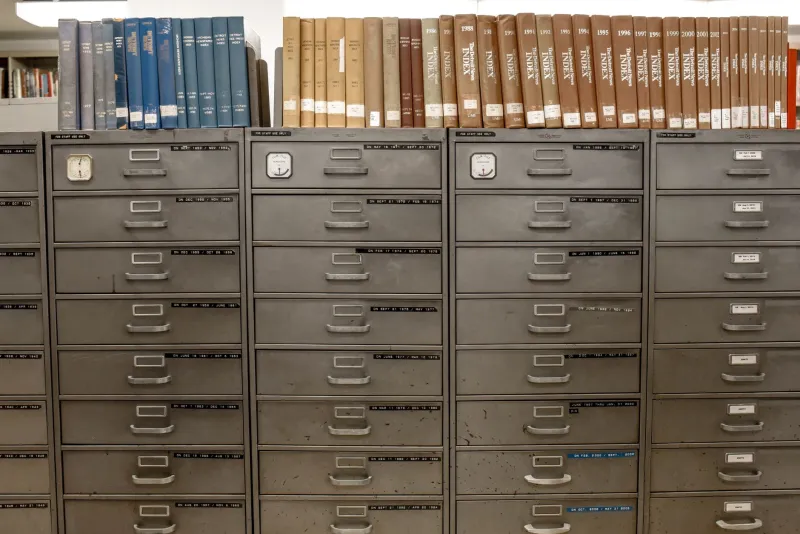
The labs that endure use naming conventions documented in a plain-text README that lives at the top of every directory. Dates in ISO format. Sample identifiers that encode plot, treatment, and replicate. One agronomy group at a Midwestern university has run the same convention since 1998; a new technician can locate any of three million records within minutes. Contrast the cautionary tale — a lab whose files carried names like "final_v2_REAL.xlsx" — and the difference is not talent but discipline.
Habit Two: Treat Departure as a Data Event
Labs that lose nothing treat a postdoc's last day the way a bank treats a withdrawal: with a checklist. A documented handover — where files live, what the quirks are, which folders are provisional — takes an afternoon. Labs that skip it routinely spend months reconstructing context that one exit interview would have preserved.
Habit Three: One Canonical Copy, Clearly Designated
Version chaos kills more datasets than hard drive failure. Durable labs designate a single authoritative version of each dataset, store it in an institutional or domain repository, and treat everything else as working copies. When the canonical location is a persistent archive rather than someone's laptop, turnover stops mattering.
Habit Four: Write the Metadata While You Still Remember It
The most common data loss is not corruption but amnesia. What units were these? Which season had the drought? Groups that last write metadata contemporaneously, and they record the boring facts — instrument serial numbers, protocol changes, weather anomalies — because those facts are exactly what future users cannot recover.
Habit Five: Budget for Preservation in Every Grant
The enduring labs treat data management as a line item, not a virtue. Storage, repository fees, and a few hours a month of maintenance are planned costs. Labs that treat preservation as free labor discover, at the worst possible time, that it never was.
None of this requires new technology. It requires the admission that every researcher is temporary, and that the dataset — if it is any good — should outlive them all.